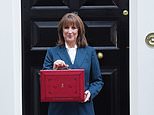


Chancellor Rachel Reeves has stood up to deliver her long awaited Autumn Budget for 2025, against a backdrop of the Office of Budget Responsibility report accidentally leaking just ahead of it.
The OBR report revealed the key measures from the Budget, their cost and their expected revenue.
Among them were a continued freeze on tax thresholds, a salary sacrifice raid, a council tax surcharge of homes worth £2million or more, extra tax for savers, pay-per-mile charging for EVs and a continued fuel duty freeze.
The Budget at-a-glance
Rachel Reeves says she will more than double her headroom against her fiscal rules to £21.7billion.
The OBR upgraded GDP forecasts for this year, but downgraded growth expectations from 2026 onwards.
The British economy is expected to grow by 1.5 per cent this year, up from 1 per cent previously. Growth will slow to 1.4 per cent in 2026, down from previous forecasts of 1.9 per cent.
For the next three years, the OBR downgrade from 1.8 to 1.5 per cent, from 1.7 to 1.5 per cent, and from 1.8 to 1.5 per cent.
Consumer price inflation is set to average 2.5 per cent in 2026, up from previous forecasts of 2.1 per cent and well ahead of the Bank of England’s 2 per cent target.
Reeves outlines plans to bolster support for small businesses, manufacturers and defence, as well as investment in the UK’s AI capabilities.
The annual Cash ISA allowance will be reduced to £12,000 for savers under 65.
Reeves rules-out deep cuts to public spending and says Labour will fix the ‘crumbling classrooms the Conservatives left behind’ as she outlined new investment in schools and the NHS.
From the OBR report
The OBR report stated on Rachel Reeves’ Budget measures:
‘Over the medium term, the cost of these measures is more than offset by a wide-ranging set of changes to tax policy which raise receipts and lower borrowing by £0.7 billion in 2026-27 rising to £26.1 billion by 2029-30.
‘As a share of GDP, the policies in this Budget deliver the third-largest medium-term tax increase since the OBR was established in 2010, after the March 2021 and the October 2024 Budgets.’
Tax policies comprise:
A set of personal tax changes which increase receipts by £14.9 billion in 2029-30, including:
• freezing personal tax and employer National Insurance contributions (NICs) thresholds for three years from 2028-29, which raises £8.0 billion;
• charging NICs on salary-sacrificed pensions contributions, raising £4.7 billion; and
• increasing the tax rates on dividends, property and savings income by 2 percentage points, raising £2.1 billion.
Other tax changes increase receipts by £11.2 billion in 2029-30. These include:
• a reduction to the writing down allowance main rate in corporation tax, which raises £1.5 billion;
• a new mileage-based charge on battery electric and plug-in hybrid cars from April 2028, raising £1.4 billion;
• reforms to the taxation of gambling, which raises £1.1 billion
reduced capital gains tax relief on disposals to employee ownership trusts, which raises £0.9 billion;
• a high value council tax surcharge on properties worth over £2 million, raising £0.4 billion;
• tax administration, compliance and debt collection measures, which raise £2.3 billion;
• these tax rises are partially offset by a freeze to fuel duty for a further five months followed by staged increases from September 2026, costing £2.4 billion next year and £0.9 billion each year thereafter;
and
• a range of other tax measures, including the introduction of the Sizewell C regulated asset base (RAB) levy, collectively raise a further £4.4 billion.
#Budget #ataglance #key #points #Rachel #Reeves #speech