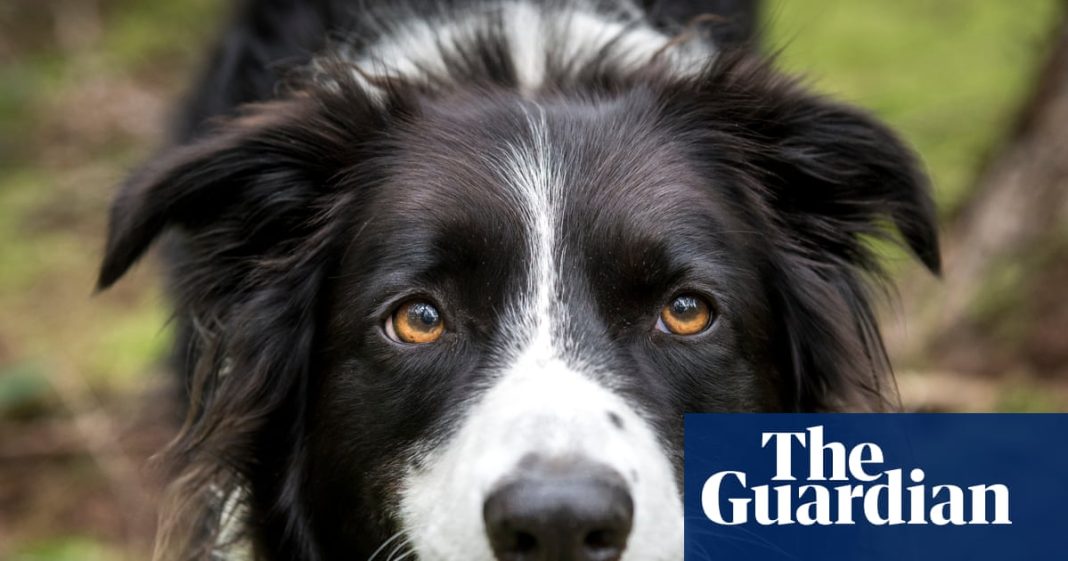

Having a dog in the home could help boost teenagers’ mental health, research suggests, with scientists adding this could in part be down to the sharing of microbes.
Prof Takefumi Kikusui, of Azabu University in Japan, who led the work, said being with dogs could reduce owners’ stress and stimulate the release of the bonding hormone oxytocin.
But the research suggests there could be other reasons pooches may have a positive influence.
“Several studies have reported the mental health benefits of dog ownership, and we have demonstrated that the microbiome may be one mechanism involved,” Kikusui said.
Writing in the journal iScience, Kikusui and colleagues report how they analysed survey results from 343 mentally and physically healthy adolescents who participated in the Tokyo Teenager Cohort Study, of whom 96 were dog owners.
The team found teenagers who owned dogs at 13 years old had significantly lower scores for social problems, social withdrawal, thought problems, delinquent behaviour and aggressive behaviour by the age of 14 than those who did not own dogs.
The researchers then analysed the microbes found in the teenagers’ saliva, finding that while there were many similarities, 12 types of bacteria – including Streptococcus and Prevotella – were significantly less abundant in the saliva of non-dog owners.
The team transplanted the microbes from the saliva of the teenagers to mice with no microbes of their own. The results revealed mice with microbes from dog-owning teenagers showed more sniffing of unfamiliar mice and approaches towards trapped cage-mates.
“This [latter] behaviour is called “preconcern” or “empathetic concern”, which is a kind of empathetic response in human and animals,” said Kikusui.
The team added that the abundance of certain bacteria in the gut of the mice were associated with differences in their social behaviour, with some of these strains also associated with teenagers’ behaviour.
“Although it is not possible to directly compare human and mouse behavior, these results suggest that the microbiota is partly responsible for the improvement in adolescents’ social behavior after living with dogs,” the team write.
However the team did not analyse the microbes carried by participants’ dogs, with Kikusui noting “it remains unclear whether these differences [in microbes among dog owners] stemmed from the dogs themselves or whether owning dogs reduced stress, leading to the resulting changes in microbiota,” he said.
Prof Stefan Reber of Ulm University, who was not involved in the work, agreed. “It has only been shown that teens with dogs have a different salivary microbiome than teens without dogs,” he said.
In addition, how the microbes might be influencing behaviour has yet to be determined.
Kikusui added that the study did not mean everyone needed a canine companion. “Even without owning a dog, maintaining a diverse microbiome can potentially improve mental health scores,” he said.
Indeed for some, owning a dog might be a negative experience. “It is known that dogs with many behavioural issues can impose stress on their owners,” Kikusui said.”