
Britain is well-known for being a nation of dog lovers, but some Brits are going above and beyond to make sure they will always have their four-legged friend by their side. That’s barking mad, right?
Life after death is now paw-sible as British pet owners increasingly clone their cats and dogs — forking out up to £40,000 for a copycat companion. It comes as scientists are able to clone a swathe of new animals, including horses and even sheep, like the original cloned animal, Dolly.
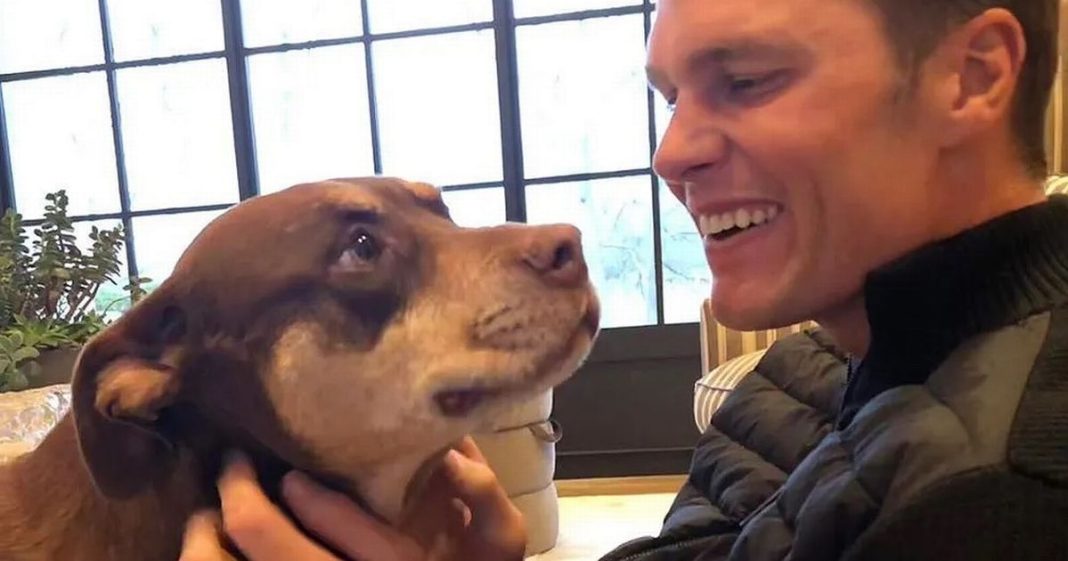
Folk are following celebs like NFL legend Tom Brady who revealed his family mutt Junie is a replica of his previous hound Lua which died in 2023. He adopted the pitbull mix with his supermodel ex wife Gisele Bündchen and loved her traits so much that he cloned her.
Barbra Streisand and Paris Hilton have also duplicated their dogs. And with a new poll finding that 3 in 4 Brits would take time off work to bond with their new pets, it’s no surprise that Brits want to get in on the action.
Lucy Morgan, laboratory manager at Shropshire-based Gemini Genetics, prepares animals for cloning and says interest in the futuristic process is growing across the UK. Her firm can’t directly replicate pets because of EU laws – instead it collects cultures and stores cells so animals can be copied in the US and then imported again.
The genetics genius said: “If an animal has died or an owner knows the end is approaching, a vet can take a skin sample. We culture the cells and keep them until the owner decides what to do.”
Cloning animals has become a gradually more common practice after it was first successfully trialled back in 1996. The results, after the sheep — named Dolly — was born, have shown that animals can be able to be cloned, which has seen a huge rise in demand in recent years.
Scientists have also signalled how cloning animals could result in a drastic reduction in the number of animals being killed for the sake of our food. Research carried out by the University of Lancashire in 2019 predicted that new and exotic animals will be able to be genetically created for human consumption, all within our lifetimes.
In a paper, researchers found that many exotic animals that we know and love will go extinct as a result of “habitat change and destruction”. However, with the affordability of cloning animals becoming an ever likelier possibility, many countries will likely adopt this practice into our foods.
“Japan 2070, offers the ultimate in animal cloning delicacies,” he hypothesised. “Here tourists have the opportunity to indulge in a mixture of fine foods, most of which have been extinct in the wild for decades.
“Tourists can indulge in a mixture of meats and fish that have long become inaccessible to the majority of society,” he continued. “The restaurants offer cloned delicacies for customers; an experience that is unforgettably tasty.”
However, cloning has had its detractors, many of whom believe it is wrong to genetically engineer animals for humanity’s own benefit. The scientific paper has speculated on this, but suggested that as a result, cloning may become more secretive, meaning there could be a likelihood in the rise of cloning animals for hunting.
For the latest breaking news and stories from across the globe from the Daily Star, sign up for our newsletters.
#Brits #cloning #pets #shell #40k #copy #furry #friend