
The majority of Britons would support a major crackdown on loud cars, including the use of camera technology to automatically issue fines to drivers.
Large portions of the general public are fed-up of being disturbed by noisy engines and exhausts of souped–up motors while trying to sleep, watch television or enjoy their gardens, a new report has found.
A poll of 1,138 motorists found most want to rid roads of rowdy motors with noise cameras, tougher restrictions in the annual MOT test, and harsher penalties for those at the wheel of excessively loud vehicles.
Three in five drivers surveyed said they are in favour of microphone–equipped noise cameras – like those already installed in parts of London to automatically identify and fine noisy motorists.
Some 63 per cent also backed stricter MOT rules on exhaust noise and modifications, even above the tighter restrictions coming into force next year.
And while police are currently able to issue £50 on–the–spot fines for noisy exhausts, 67 per cent think these should be higher to hammer home to boy racers that they’re causing a nuisance.
Paul Barker, editor of Auto Express, which conducted the study, said: ‘Our research shows just how strongly the public feels about noisy cars, with more than half saying excessively loud vehicles are having a direct, negative impact on their daily lives.’

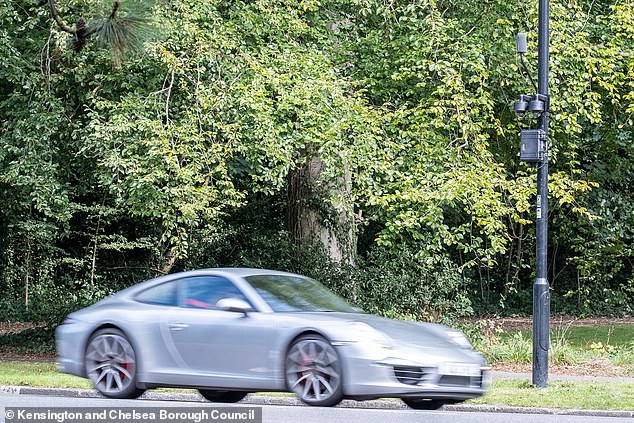
Three in five drivers surveyed are in favour of microphone–equipped noise cameras being installed across Britain to catch – and fine – owners of particularly loud vehicles
Since 2016, all new cars have been limited to a maximum noise level of 72 decibels (dB) when tested for approval before sale.
However, from 2026, the cap will fall further to 68dB.
It is also illegal to modify an exhaust to make a car louder than its factory–approved level.
Yet due to a shrinking road policing presence, many drivers are shirking the rules knowing they are unlikely to be reprimanded or punished for their deafening motors.
Auto Express’ survey found that over half of UK adults (54 per cent) have been disturbed by noisy vehicles, with a third saying this happens daily.
Another third said noisy cars make it less enjoyable to spend time in their gardens, while three in ten claim loud car exhausts have woken them or their family in the night.
Almost a quarter say they don’t open their windows – even in summer – in an effort to block out the sound from raucous vehicles, and 16 per cent suggest loud exhausts have interrupted conversations or phone calls.
Some 14 per cent said loud cars is causing them unwarranted stress and anxiety, and one in 20 say they can’t work from home due to the impact of clamorous cars constantly passing their properties.

Acoustic cameras are fitted with microphones to detect the noise levels of passing vehicles. When the camera detects an engine or exhaust noise of 80db or higher, it will automatically record eight seconds of video in both directions along the road

The real–time recordings of excessively loud exhaust notes captured by these cameras are sent to enforcement officers who scan the footage to get a view of the number plate to then issued penalty charge notices to the keeper
Barker said: ‘While it is perfectly understandable that drivers want to enjoy their cars – and for many a big part of that is enjoying the noise they make – there’s a clear difference between responsible enthusiasm and anti–social noise.
‘With the majority backing noise cameras, stricter MOTs and tougher penalties, it’s clear there is strong public support for authorities to take firmer action against those who break the rules.’
But Auto Express’ chief says the public will see a gradual improvement in the reduction of noisy motors on the road in the next decade.
‘The move to electric vehicles will significantly reduce engine noise, with the average EV being around 10dB quieter,’ he explained.
‘This shift, supported by the new EV grant and other incentives, will lead to a decrease in overall noise pollution in urban areas and help more drivers stay within legal noise limits.’

#Majority #calls #noise #cameras #stricter #MOTs #higher #fines #discourage #loud #cars